How Roof Repairs Help Prevent Mold and Water Damage
@finnesrk866
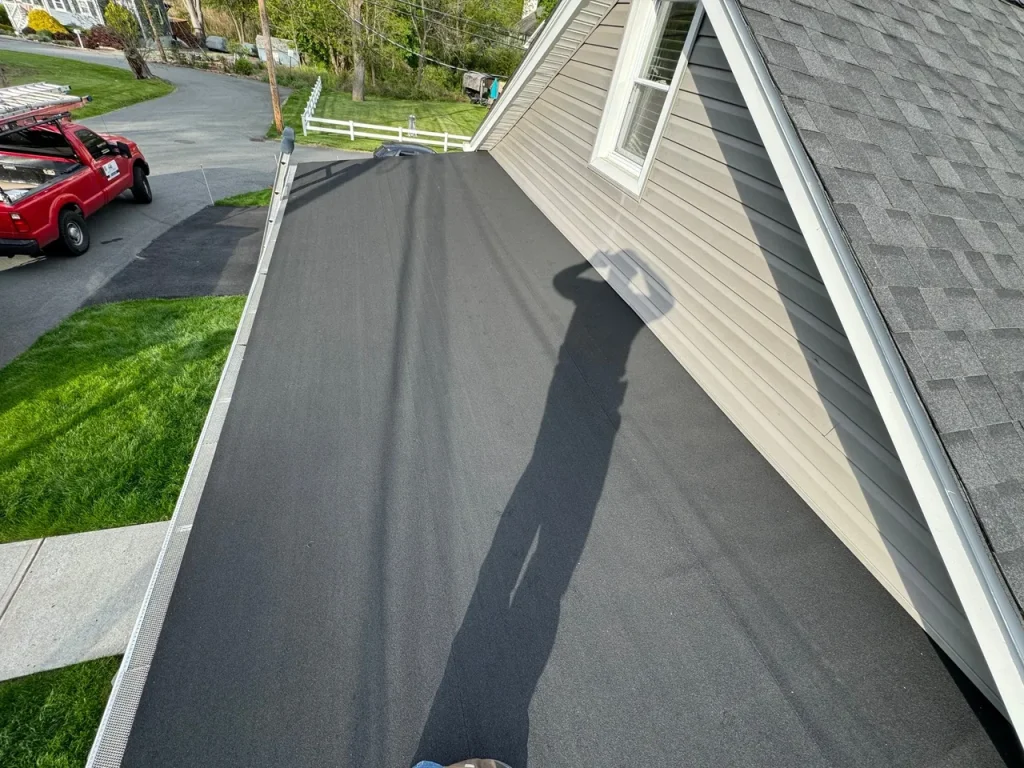
A roof rarely fails all at once. More often, it starts with a small weakness that goes unnoticed, a lifted shingle after a windstorm, a cracked pipe boot, a seam on a low-slope section that begins to separate, or flashing that has pulled away from a chimney over time. Water finds these weak points long before the homeowner does. By the time a stain appears on a ceiling, moisture has usually traveled farther than expected, and the conditions that allow mold and structural damage to develop are already in place.
That is why timely roof repairs matter so much. They do more than stop a drip. They interrupt a chain reaction that can affect insulation, framing, drywall, air quality, and even the lifespan of the roof itself. In practical terms, a modest repair completed early often prevents a much larger restoration later, one that may involve not just roofing work, but carpentry, interior demolition, mold remediation, and repainting.
Homeowners often think of water damage as a visible event, something dramatic like a leak pouring into a bucket. In reality, the more expensive damage is often the quiet kind. A slow leak into an attic can dampen insulation for months. A small breach around flashing can wet roof decking and rafters little by little. In a bathroom or laundry room, that trapped moisture may create ideal conditions for mold growth behind the ceiling or wall cavity before anyone notices a problem.
What water actually does after it gets past the roof
Water is persistent. Once it passes the outer roofing material, it rarely stays in one place. It can run along felt underlayment, follow nails, soak into wood sheathing, collect on top of a vapor barrier, or drip down into insulation. That movement is one reason roof leaks are so deceptive. The visible stain inside the house may not sit directly below the original entry point.
In attics, moisture often causes damage in stages. First, insulation gets wet and loses much of its effectiveness. Fiberglass batt insulation, for example, does not perform the same way when compressed or saturated. That can increase heating and cooling costs while also allowing the attic temperature to swing more drastically. Next, the wood surrounding the leak begins to hold moisture. Roof decking can swell, soften, or start to delaminate. Rafters and truss members may not fail immediately, but repeated wetting shortens their service life.
Then comes the mold risk. Mold does not need a flood. It needs moisture, an organic surface, and enough time. Roof decking, framing lumber, dust on insulation, and the paper facing on drywall can all support growth under the right conditions. Many people assume mold appears only after severe water intrusion, but in the field, it is common to see microbial growth from chronic minor leaks combined with poor ventilation.
Why mold and roof leaks are so closely connected
The connection is simple, but the timeline deserves attention. Mold can begin developing surprisingly quickly on wet materials, especially in warm, poorly ventilated spaces. An attic after a summer storm is a perfect example. The roof leak introduces moisture, the attic heat accelerates the process, and the limited airflow keeps surfaces damp longer than they should be.
The trouble is not limited to attics. Moisture that enters through a roof can travel into wall cavities, around recessed lights, along vent chases, or down behind trim. In one home, a leak near a plumbing vent showed up as bubbling paint in an upstairs hallway. The owner assumed it was a paint failure. When the ceiling was opened, the drywall backing was damp, the insulation was clumped and stained, and there was visible mold growth along the top plate and nearby framing. The original roof issue was a deteriorated vent boot, a repair that would have been relatively simple if addressed at the first sign of trouble.
This pattern repeats often. Water enters at the roof. It migrates. Materials stay damp. Airflow is limited. Mold takes hold where no one can see it. That is why experienced contractors treat even minor roof leaks seriously. The leak itself may be small, but the conditions it creates are not.
The roof components that usually fail first
Most roofing systems do not leak because the main field of shingles or membrane suddenly gives out. Leaks often begin at transitions, penetrations, and edges, the areas where different materials meet and movement is more likely. Flashing around chimneys, skylights, plumbing vents, valleys, dormers, and wall intersections takes a lot of abuse from weather and thermal expansion.
Sealants also age faster than many homeowners realize. A bead of caulk that looked intact a few years ago may now be cracked, brittle, or detached. On asphalt shingle roofs, individual shingles can curl, crack, or lose granules, exposing the underlying materials to faster wear. On metal roofs, fasteners may back out slightly as the panels expand and contract through seasonal temperature swings. On flat or low-slope roofs, ponding water can exploit weak seams and pinhole punctures.
Each of these failures creates a path for moisture. The path may be tiny, but roof systems are exposed to a lot of water over the course of a year. A quarter-inch gap at a flashing joint does not look like much in dry weather. During wind-driven rain, it can be enough.
How timely Roof Repairs stop damage before it spreads
The real value of roof repairs is not just patching what is broken. It is preserving the surrounding system. When a roofing professional replaces damaged shingles, reseals flashing, secures lifted edges, or installs a new vent boot, that work blocks water before it reaches vulnerable interior materials. It also gives the contractor a chance to inspect the nearby deck and underlayment for hidden deterioration.
That secondary inspection matters. A leak that is caught early might require replacing a small section of underlayment and a handful of shingles. The same leak left alone could demand plywood replacement, fascia repair, insulation removal, drywall replacement, and treatment for mold contamination. The first scenario is maintenance. The second is a restoration project.
There is also a strong financial argument for prompt action. In many regions, a minor repair may cost a few hundred dollars to low four figures, depending on roof type and access. Once interior damage is involved, costs can climb quickly. Ceiling repairs, painting, flooring replacement, dehumidification, and mold remediation add layers of labor and coordination. Insurance may help in some cases, but not every issue is covered, especially if the damage is linked to deferred maintenance.
Small warning signs that deserve attention
Most serious roof-related moisture problems begin with subtle clues. Homeowners who catch those clues early usually have more options and lower costs. The signs are not always dramatic, and some appear indoors long before a problem is visible on the roof.
Here are five signs that often point to a repair need:
- Brown or yellow ceiling stains that gradually expand after rain.
- A musty smell in the attic, upper hallway, or closets near exterior walls.
- Curling, cracked, or missing shingles, especially after wind events.
- Peeling paint or bubbling drywall near the ceiling line.
- Damp insulation, dark wood staining, or frost-like moisture patterns in the attic.
One detail worth emphasizing is odor. Homeowners often dismiss a musty smell as old-house air or seasonal humidity. In many cases, that odor is the first sign of a moisture source that has not yet become visible. Attics and enclosed cavities can hide active leaks for a long time.
The attic tells the story
If you want to know whether a roof problem is developing into a mold or water damage issue, the attic is often the first place to look. Professional inspectors spend a lot of time there for a reason. Attics reveal staining, soft sheathing, rusted nail tips, compressed insulation, and signs of poor ventilation that can worsen moisture retention.
Sometimes what looks like a roof leak turns out to be a ventilation problem, and sometimes it is both. Warm, moist air from the living space can rise into the attic and condense on cool roof decking. That moisture can mimic a leak, contribute to mold growth, and shorten roof life. Bathroom fans vented into attics rather than outside are a common culprit. So are blocked soffit vents and inadequate ridge venting.
This overlap is important because a proper repair strategy addresses not only the opening where water enters, but also the conditions that allow moisture to linger. If the roof is repaired but the attic remains poorly ventilated, drying may still be slow, and mold risk can continue. Good roofing work includes judgment about the whole assembly, not just the obvious damaged spot.
Seasonal weather makes weak roofs worse
Roofs are tested differently in different seasons. Spring often exposes flashing failures and drainage issues because repeated rain events saturate problem areas. Summer heat can accelerate the aging of shingles and sealants, while heavy storms can loosen already compromised materials. In colder climates, winter introduces ice dams, which force water back under shingles and into the roof deck. Fall brings leaf buildup in valleys and gutters, slowing drainage and keeping roof edges wet longer.
I have seen many repairs that could have been simple in late summer become much more involved by the end of winter. A small opening that lets in occasional rain is one thing. Add freeze-thaw cycles, snow load, and trapped ice, and that same opening may lead to rot at the eaves, saturated insulation, and interior staining in multiple rooms. Timing matters. A roof does not pause deterioration while the owner waits for a more convenient season.
Why patch jobs sometimes fail
Not all roof repairs are equal. One reason homeowners end up dealing with recurring moisture and mold is that the initial fix addressed the symptom rather than the cause. Smearing roofing cement over a leak area may stop water briefly, but if the flashing underneath is wrong, the repair will not last. Replacing a few shingles without addressing damaged underlayment or soft decking can hide the issue rather than solve it.
This is especially true around chimneys, skylights, and valleys. These areas need proper water management, not just sealant. Roof systems are designed to shed water through laps, overlaps, and flashing geometry. When those details break down, a durable repair usually means restoring the original drainage path, not simply coating the area with more material.
That is why a careful diagnosis matters. A good roofer traces the leak pattern, checks the uphill side of the visible damage, inspects penetrations, and looks for signs of long-term moisture inside the attic. The best repairs feel almost boring because they are methodical. They do not rely on luck.
When mold remediation becomes part of the project
Once moisture has been present long enough, roof repairs alone are not enough. The source of water must be stopped first, but damaged materials may still need to be dried, cleaned, removed, or replaced. Whether formal mold remediation is needed depends on the extent of growth, the materials affected, and the sensitivity of the occupants.
A small area of surface mildew on accessible framing in a dry attic is different from widespread mold behind finished ceilings or inside insulation. The latter may require containment, air scrubbing, removal of contaminated porous materials, and verification that the space has dried to acceptable moisture levels. This is where delayed roof maintenance gets expensive. The roof opening may have been minor. The interior response rarely is.
For households with asthma, allergies, or compromised immune systems, even modest mold growth can become more than a property issue. It becomes a health and habitability concern. That practical reality is one more reason to treat roof leaks as urgent maintenance rather than a cosmetic nuisance.
Repairs versus replacement, making the right call
There is a point where repeated patching stops making financial sense. If a roof is near the end of its service life, has widespread shingle deterioration, or shows systemic issues across multiple areas, replacement may be the better way to prevent recurring water intrusion. Still, many roofs that look rough from the ground can be safely repaired and maintained for several more years when the structure is otherwise sound.
The right choice depends on age, material type, the pattern of failures, and how much hidden moisture damage is already present. A ten-year-old roof with isolated storm damage is usually a repair candidate. A twenty-five-year-old roof with granule loss, brittle shingles, failing flashing, and soft decking in several areas probably is not. Judgment here matters more than blanket rules.
A balanced assessment should include the remaining life of the roof, not just the immediate leak. Spending on repairs makes sense when it buys reliable service time. It makes less sense when each repair is simply bridging to the next failure.
Practical steps homeowners can take after storms and between inspections
Homeowners do not need to climb onto the roof to reduce risk. In fact, they usually should not. But they can spot problems early by paying attention after major weather events and checking interior spaces periodically.
A practical routine looks like this:
- Walk the perimeter after wind or hail and look for missing shingles, displaced flashing, or debris impact.
- Check ceilings, attic spaces, and upper walls within a day or two after heavy rain.
- Keep gutters and downspouts clear so water moves off the roof promptly.
- Schedule a professional roof inspection if you notice stains, odors, or any visible exterior damage.
- Save photos and dates, especially after storms, so small changes are easier to track over time.
That last point is underrated. A stain that seems unchanged may, in fact, have spread slightly over three months. Photos make those changes easier to spot and can help a contractor understand the timeline.
The hidden cost of waiting
The reason some homeowners postpone roof repairs is understandable. Water stains may dry out, leaks may appear intermittent, and life is busy. But moisture damage is cumulative. Materials do not become stronger after being wet. Nails rust. Wood fibers break down. Insulation settles. Mold spores spread to new surfaces. Each rain event deepens the problem, even if no fresh drip reaches the floor.
There is also the issue of resale. During a home inspection, signs of active or past roof leakage raise immediate questions. Buyers and their inspectors often assume visible staining means possible hidden mold or structural damage, even if the roof is not actively leaking that day. That can lead to repair credits, delayed closings, or the need for more invasive inspections. A home with documented, timely roof repairs and a dry attic tells a much better story than one with unexplained stains and patch history.
What good repair planning looks like
A strong roof repair plan starts with a precise diagnosis. Where is the water entering, how long has it likely been happening, and what adjacent materials may already be affected? From there, the scope should include both the roofing fix and the moisture response. That may mean replacing wet insulation, checking decking moisture content, improving ventilation, or opening a small section of ceiling to verify the extent of damage.
Good contractors communicate these trade-offs clearly. Sometimes a homeowner wants the least invasive option, and that is reasonable when the leak is recent and localized. Other times, opening a bit more to inspect hidden cavities prevents a larger surprise later. Conservative investigation often saves money Roof Repairs because it limits guesswork.
Documentation matters too. Photos before, during, and after repairs help prove that the source was corrected and the affected areas were addressed. That is useful for insurance, future buyers, and simple peace of mind.
A dry roof protects more than the structure
When people think about roofing, they usually think about shingles, underlayment, and flashing. What they are really protecting is the entire indoor environment beneath those materials. A dry roof helps preserve insulation performance, structural integrity, interior finishes, and healthy air quality. It prevents the stale odor that lingers in damp attics. It reduces the chance that a rainy week turns into a drywall repair project. It keeps a small maintenance item from becoming a multi-trade restoration.
Roof repairs are not glamorous, but they are one of the most effective forms of preventive maintenance a property owner can invest in. Done early and done well, they stop water at the top of the building, where it belongs. That single action prevents a cascade of problems that are always more expensive, more disruptive, and harder to fully undo once mold and water damage take hold.
Royalty Exteriors
151 NJ-10 Suite 103A
Succasunna, NJ 07876, United States
+1 973-333-7234
FAQ About Roof Repairs
Can you fix a roof leak without replacing the whole roof in Succasunna,NJ?
Often, a localized leak can be repaired without replacing the entire roof, depending on its cause and the condition of the surrounding materials. Damaged shingles, flashing, or a roof penetration may need targeted work. Royalty Exteriors offers roof repairs for leaks, storm damage, and shingle issues. An inspection is needed to determine the appropriate scope.
What is considered a minor roof leak?
A leak may be considered minor when the damage is limited to a small area and the surrounding roofing remains sound. A small ceiling stain alone does not establish the extent of the problem because water can travel before becoming visible. Have the source and any concealed damage assessed promptly.
Is it better to repair or replace a leaky roof?
The decision depends on the roof's age, overall condition, leak source, extent of damage, and history of previous repairs. A localized problem on an otherwise serviceable roof may be suitable for repair. Widespread deterioration or recurring leaks may justify considering replacement. Ask for an inspection and a written explanation of the recommended work before deciding.